Soft Wash vs Pressure Wash: What’s Best for Your Home Exterior?
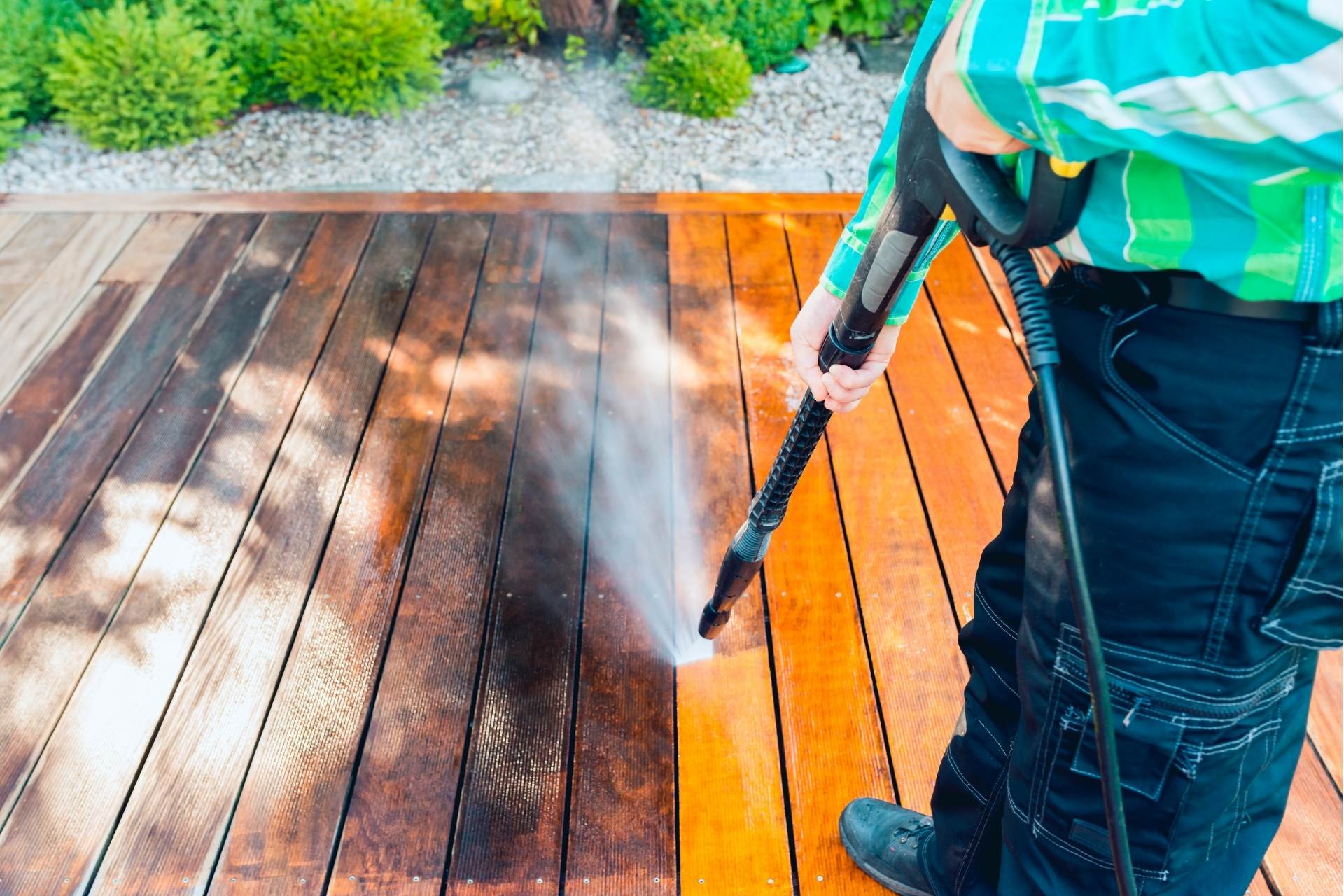
Maintaining the exterior of your home or commercial building in the Illawarra region requires thoughtful care: between coastal salt, rainfall, timber weathering and the regional climate, choosing the right cleaning method is as important as the landscaping around it.
At Brooksie’s Lawn Care we frequently get asked: Should I use a high-powered pressure washer or a gentler soft cleaning approach? In this article we’ll walk you through the difference between soft cleaning vs pressure washing, where each method is appropriate, and the critical considerations for safety around paint, materials and surfaces.
What’s the difference between soft cleaning and pressure washing?
Defining soft cleaning
Soft cleaning or soft washing is a low-pressure washing method typically combined with specialised cleaning solutions (such as biocides, detergents and mild surfactants). Instead of blasting away dirt, mould and algae purely with force, soft cleaning relies on a chemical-assisted wash plus a gentle rinse. Key features:
- Low pressure (often under 500 psi) so minimal risk of surface damage.
- Use of cleaning agents that kill spores, fungi, mould and lichens rather than simply blasting them off.
- Particularly suited to delicate surfaces (e.g., weatherboard cladding, older paint finishes, rendered surfaces).
- Less chance of driving water behind siding or into seams.
Defining pressure washing
Pressure washing or power washing uses high-pressure water (often 1500–3000+ psi) to physically remove dirt, grime, moss, and surface buildup. The mechanical force is its major cleaning power. Key features:
- High-velocity water stream dislodges contaminants quickly.
- Effective on hard surfaces such as concrete driveways, paved patios, brickwork and heavy-dirt areas.
- Requires experienced operators to avoid damage to surfaces or injury.
- Can lead to water intrusion, splintering of timber, or undermining of mortar joints if misused.
Soft cleaning or pressure washing, which one does your home need?
Soft cleaning and pressure washing both achieve a cleaner home exterior, but they do it in very different ways.
Soft cleaning uses low pressure and mild cleaning agents to gently lift away dirt, mould and algae without damaging surfaces. Because the water pressure is low and the cleaning power comes mainly from specialised solutions, it’s safer for delicate materials like painted weatherboards, render, older brickwork and roofs.
Pressure washing, on the other hand, relies on high-velocity water to blast away grime. It’s highly effective on tough, durable surfaces such as concrete driveways, patios and brick pavers. However, the stronger force means there’s a higher risk of stripping paint, eroding mortar or forcing water into joints if it’s not handled correctly.
In short, soft cleaning is the better choice when surface protection and long-term preservation matter most, while pressure washing excels on hard, heavy-use areas that can handle the extra power. Both methods have their place — the key is matching the technique to the surface and condition of your property.
Where each method applies in the Illawarra region
Soft cleaning – ideal applications
In the Illawarra, our coastal winds, tree canopy and frequent rainfall mean that many homes gather mould, moss and algae on vertical surfaces, render, weatherboard and older paint. Soft cleaning is typically the safer, more appropriate method for:
- Painted weatherboard homes or fibre-cement cladding that’s older or showing wear.
- Rendered or brick façade with painted finishes vulnerable to high-pressure damage.
- Timber decks, fences, pergolas, or trims that are already weathered or fragile.
- Roofs (e.g., tile or metal) where high pressure could lift seams or damage flashings.
- Commercial buildings with architectural finishes, signage, or sensitive substrates that can’t take heavy force.
Given our region’s environment (salt aerosols, coastal humidity, tree cover), the gentler but more chemically assisted approach often gives more reliable long-term results and less risk of surface damage or water ingress.
Pressure washing – when it’s the right tool
There are scenarios where pressure washing is not only acceptable but the right choice:
- Exposed concrete driveways, industrial hard-stand areas, brick pavers that have heavy oil/grease buildup.
- Patios, walkways, kerb edges, retaining-wall bases where the substrate is robust, and you’re looking for fast, visible results.
- Commercial sites (e.g., warehouses, factory yards) where large surfaces need swift cleaning, and durability is high.
- Areas where moss, lichen or weeds have built up heavily on a robust surface and need forceful removal.
In the Illawarra’s environment, you might see moss and algae growth on shaded pavers, or salt-affected surfaces near the coast. Pressure washing can deliver that “reset” quickly — provided the substrate can handle it and the operator understands local conditions (e.g., ensuring water does not run into garden beds, stormwater drains, or delicate plantings).
Matching method to material
- Weatherboard / timber cladding: Soft cleaning is usually the safer choice.
- Painted render or cavity façade: Soft cleaning unless confirmed by inspection that render is in excellent condition.
- Brickwork (exposed face brick): Pressure washing acceptable if bricks and mortar are intact; soft cleaning for painted brick or older mortar.
- Concrete driveways, pavers: Pressure washing is generally suitable.
- Roof tiles or metal roofing: Soft cleaning preferred to avoid seam-lifting; pressure only under highly controlled conditions.
- Fencing, pergolas, timber decks: Soft cleaning recommended unless timber is very robust and recently sealed.
Safety for paint and materials – what you must know
Why materials and paint matter
When homeowners or businesses in the Illawarra commission cleaning of exterior surfaces, a key concern is: Will this damage my paint finish or structure? The wrong method can:
- Strip protective paint or render, lifting coatings and making the surface vulnerable to future weathering.
- Drive water behind cladding, into seams or behind render and cause hidden damage (e.g., rot, mould, rust).
- Erode mortar joints in brickwork, weaken structural integrity.
- Damage softer substrates like fibre-cement, older timber, “friable” render or textured finishes.
Protective measures and good practices
To ensure safety and longevity of your home’s exterior:
- Always inspect the substrate condition first (paint adhesion, render integrity, mortar condition).
- Use low-pressure methods on older paint or substrates showing wear.
- For soft cleaning, ensure the cleaning agents used are compatible with the surface and environmentally appropriate for our region.
- Ensure runoff water is managed (especially in the Illawarra where runoff could reach garden beds, coastal drains or stormwater networks).
- Implement “test spot” cleaning in a less-visible area, especially for commercial clients.
- Ensure the operatives are qualified, insured and understand local conditions (humidity, coastal salt-air, tree cover). At Brooksie’s, we treat each property according to its unique condition, ensuring the right method for the job.
- When pressure washing, adjust nozzle and pressure correctly: use wider fan spray, keep nozzle at safe distance, avoid concentrated jets on soft surfaces.
- Post-cleaning, consider re-sealing or repainting vulnerable surfaces to protect them against Illawarra’s climate influences (salt, moisture, UV).
What about paint finishes?
Painted surfaces require special care. Here are some guiding points:
- If paint is “chalky” (i.e., powdering), high-pressure water will lift it rather than clean it — soft cleaning is better.
- If paint has cracks or underlying moisture issues, cleaning may expose hidden problems — inspection first.
- For modern acrylic paint finishes in good condition, pressure washing may be acceptable — but still beneficial to use a mild detergent and moderate pressure rather than maximum force.
- After cleaning, we often recommend repainting or refreshing coatings on home exteriors to maintain long-term protection.
Why choose Brooksie’s for your exterior cleaning in Illawarra
At Brooksie’s Lawn Care & Maintenance, we don’t just mow lawns and tidy gardens — we understand that your home’s exterior is a key part of your property’s presentation, longevity and value. Here’s what sets us apart when it comes to soft cleaning and pressure washing:
- Local expertise: We know Wollongong and the Illawarra climate intimately — from coastal salt spray to tree-shade algae, we tailor our method accordingly.
- Surface-specific solutions: We assess your cladding, paint, substrate and surrounding garden conditions before recommending soft or pressure cleaning.
- Detail-oriented execution: We ensure garden beds, plants and landscaping are protected during the cleaning process, and we manage runoff for you.
- Conversion and maintenance mindset: After cleaning, we can help you with ongoing maintenance (for example via our lawn and garden services) so your exterior remains as clean and well-cared-for as your lawns.
- Qualified and insured team: Cleaning exterior surfaces comes with risk (water damage, chemical usage, height work) and our team is appropriately equipped and safe.
When it comes to your home or commercial building in the Illawarra, selecting the right cleaning method isn’t a matter of one-size-fits-all. It’s about assessing your surfaces, understanding the climate and environment, and using a method that delivers cleanliness without compromise to your paint, materials or landscaping.
At Brooksie’s Lawn Care & Maintenance, we bring that expertise directly to your property. Whether you need a gentle soft wash on your weatherboard façade or a robust pressure clean on your driveway, we’ll guide you through the best option and deliver high-quality results you can trust.
Ready to refresh your exterior? Contact us today for a free quote.

.jpg)